

Growing up within Nepali culture, I never learned environmental conservation as a separate subject. It was not taught as a theory. It was lived.
Respect for nature, water, animals, and land was quietly woven into daily life, festivals, rituals, and even social rules. Only much later, after living outside Nepal and watching the modern world struggle to protect what remains of nature, did I realize how complete and practical this cultural wisdom truly was.
At the same time, this reflection would be incomplete without acknowledging parts of our past that need honest conversation and conscious evolution.
A Nepali reflection on festivals, rivers, responsibility, and equality
Nature Was Sacred Before It Was “Environmental”
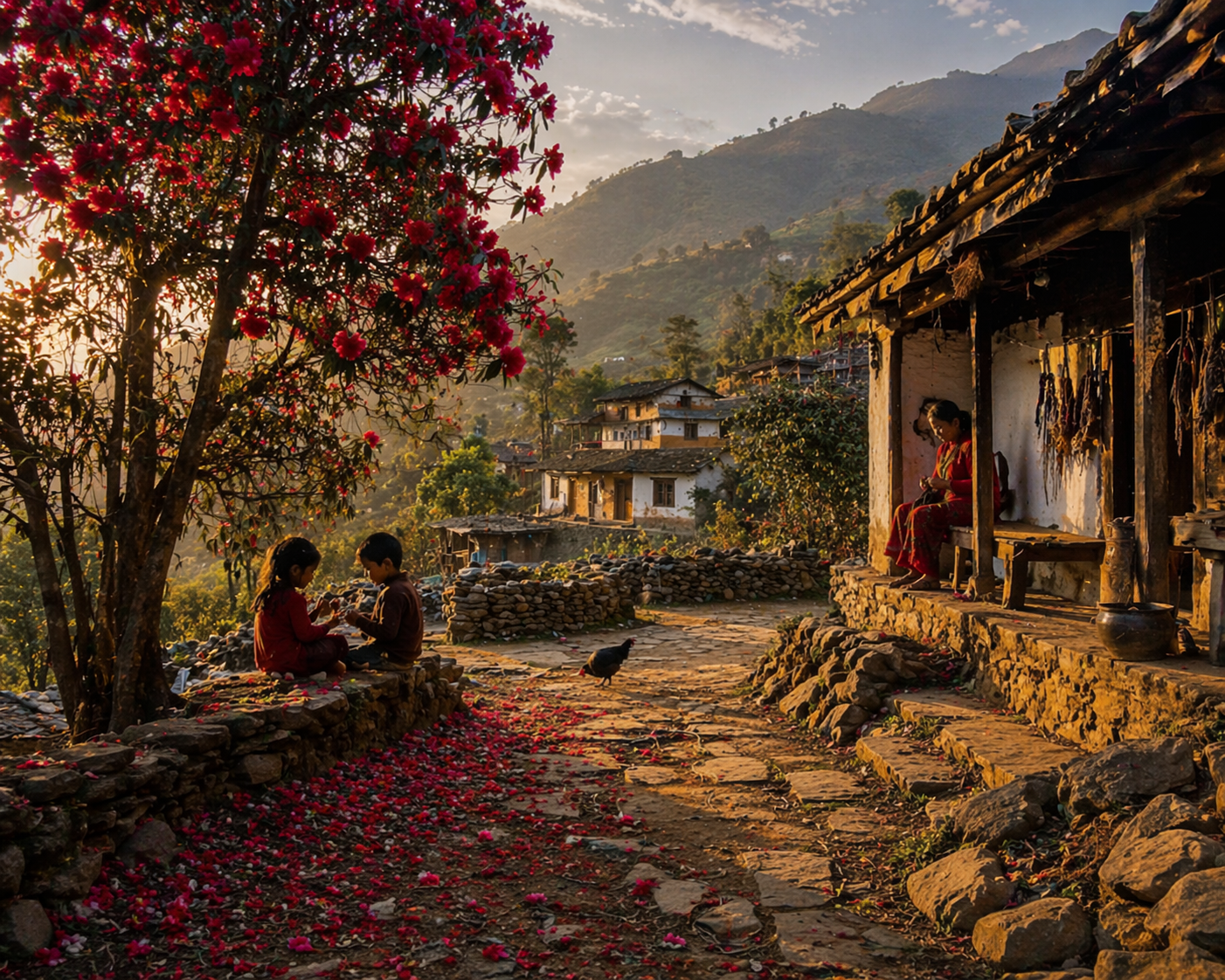
In Nepali belief, rivers are mothers, mountains are protectors, forests are living beings, and animals are companions in survival. When nature is sacred, exploitation feels unnatural.
Sacred trees like peepal and banyan were protected for generations. Water sources were cleaned regularly. Land was farmed with rest periods. These were not environmental policies, but they worked.
Festivals That Protected the Earth Without Saying So
Maghe Sankranti reminded communities to honor rivers, clean riverbanks, and respect seasonal transitions. Bathing was symbolic, but cleanliness was practical.
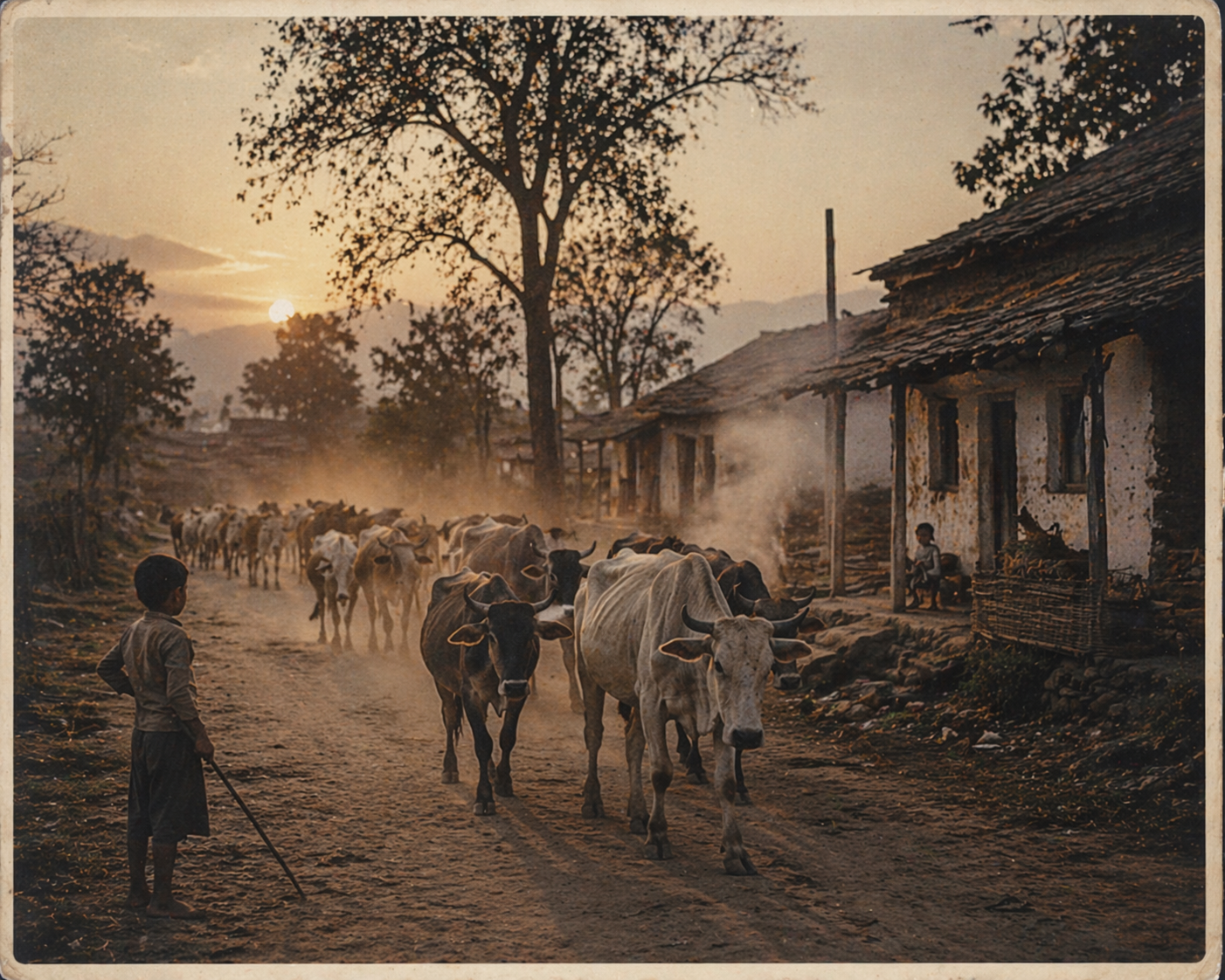
Tihar taught compassion by honoring crows, dogs, cows, and oxen. A culture that pauses to thank animals naturally discourages cruelty and imbalance.
Chhath Parva created deep responsibility toward rivers and the sun. When prayer happens in water, pollution becomes morally unacceptable.
Ubhauli and Udhauli, celebrated by Kirat communities, aligned human life with planting and harvesting cycles, protecting soil health and biodiversity through indigenous knowledge.
These festivals did not preach conservation. They practiced it.
When Water Had Boundaries
Talking about water also means addressing a sensitive truth. In certain communities, water was once considered “untouchable” for some people. This history must be approached with respect, honesty, and care.
In the past, villages depended on fragile water sources like dhunge dharas, springs, or wells. There was no filtration, no sanitation systems, and no scientific understanding of disease. Any contamination could affect the entire community.
Strict rules existed to protect water sources. Over time, these rules were wrongly tied to caste and identity, turning practical caution into social exclusion.
It is important to say this clearly. No community deserved discrimination. What may have started as fear of disease slowly became injustice.
Why That Practice Does Not Belong Today
Today, we understand hygiene, sanitation, and public health. Cleanliness is about behavior, not birth.
Denying water access based on caste or community has no cultural, moral, or scientific justification in the modern world. Equality in water access is a human right and a foundation of public health.
Culture must evolve. Respecting tradition does not mean preserving harm.
What Still Matters: Hygiene Without Discrimination
While caste-based untouchability must be fully rejected, the core idea of protecting water sources still matters.
Water still needs care.
Sources still need protection.
Hygiene still matters.
But rules must be based on practice, not identity.
Simple, inclusive precautions like keeping sources clean, using clean utensils, avoiding contamination during illness, and educating communities on sanitation protect everyone equally.
This is where ancient wisdom meets modern understanding.
Food, Seasons, and Shared Responsibility
Traditional Nepali food culture followed seasons, locality, and balance. Festivals used seasonal ingredients, fermented foods, and plant-based meals that supported soil, gut health, and sustainability.
Celebrations were communal, not commercial. Sharing reduced waste. Excess was discouraged. Responsibility was collective.
Environmental protection happened naturally when life was lived together.
From Control to Care
The deeper lesson Nepali culture offers is not control over nature or people, but care.
Care for rivers.
Care for animals.
Care for land.
Care for each other.
When care replaces fear and exclusion, both society and nature heal.
Why This Reflection Matters to Me

Hindus across the country worship cows on the third day of the Tihar festival which commemorates the time when Hindu god Lord Rama achieved victory over Ravana and returned to his kingdom after 14 years in exile. / AFP / PRAKASH MATHEMA (Photo credit should read PRAKASH MATHEMA/AFP/Getty Images)
Living away from Nepal and working closely with food, wellness, and community service, I see how disconnected modern life has become from nature. Meanwhile, many solutions already exist in cultural memory.
Nepali culture never tried to save the planet. It simply tried to live respectfully.
A Living Wisdom Worth Carrying Forward
We honor our past not by repeating everything unchanged, but by carrying forward what is compassionate, practical, and inclusive.
Water does not recognize caste.
Nature does not recognize hierarchy.
Neither should we.
If we can remember even a part of this cultural wisdom and practice it with equality and awareness, we offer something meaningful to the world.
Not nostalgia.
Not ritual alone.
But a way of living where humans, nature, and dignity coexist.
— Dhruva

You must be logged in to post a comment.