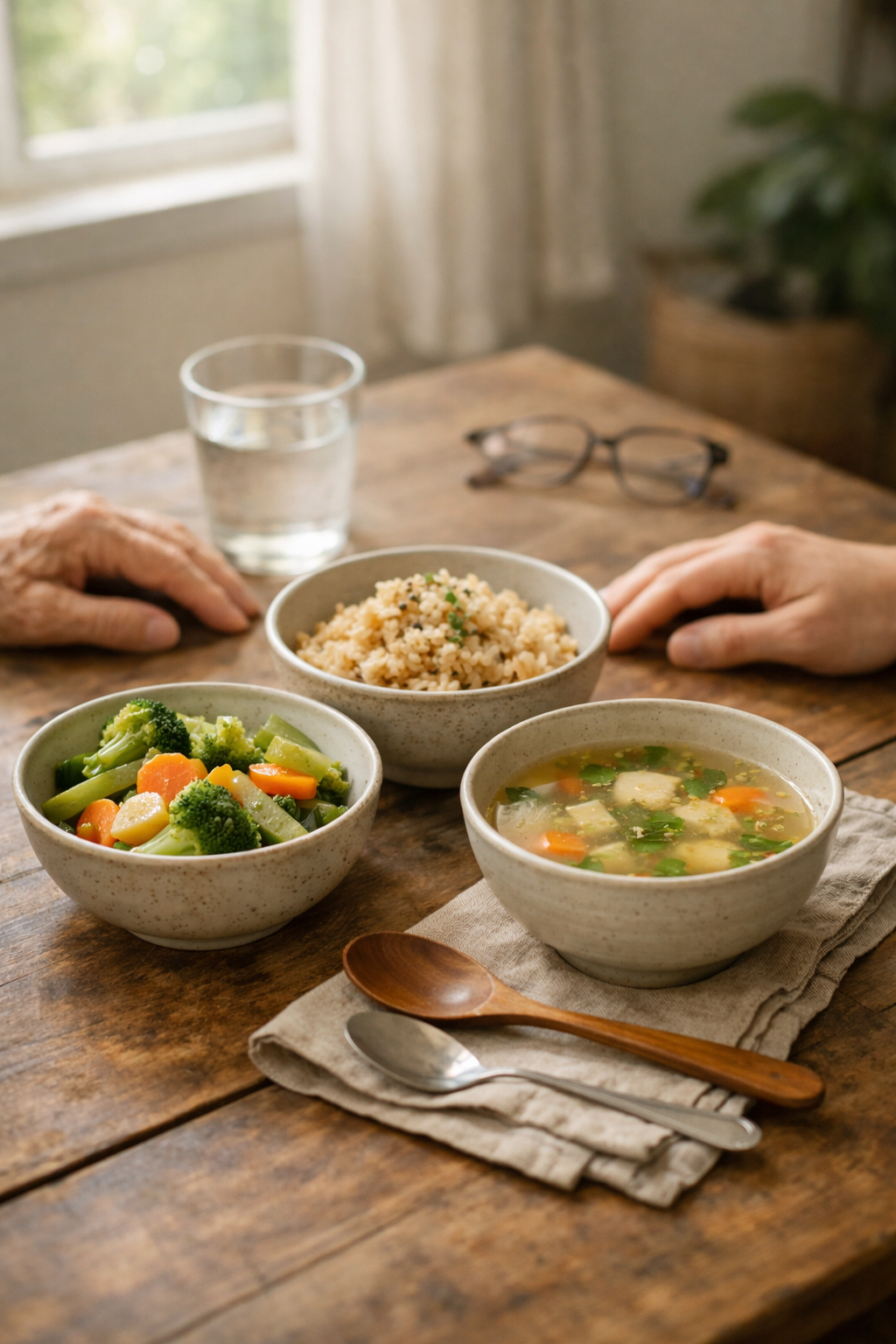
In today’s fast-paced world, food is often reduced to calories, macros, or convenience. But through my years of working in senior living communities, hospitality, and caregiving environments, I have learned something deeply human. Food is not just fuel. Food is care.
A thoughtfully prepared meal can calm anxiety, support digestion, improve mood, and create a sense of safety. Especially for seniors and those recovering from illness, food becomes a daily form of healing that works quietly, without prescriptions or instructions.
Food and Health Are Deeply Connected
Modern nutrition science confirms what many traditional cultures have always known. How we eat matters as much as what we eat. Simple, well-balanced meals help regulate blood sugar, support gut health, and maintain energy levels throughout the day.
For older adults, this connection becomes even more important. As we age, digestion slows, taste changes, and appetite may decrease. Heavy, overly processed foods can create discomfort, while familiar, gently prepared meals often lead to better intake and satisfaction.
Health does not always improve through complexity. Often, it improves through simplicity.
The Role of Familiar Food in Emotional Well-Being
I have witnessed moments where a familiar dish brought more comfort than any conversation. A warm bowl of soup, a softly cooked vegetable, or a traditional recipe can awaken memories and create emotional stability.
This emotional response is not accidental. Familiar foods activate memory centers in the brain and reduce stress responses. When stress lowers, digestion improves. When digestion improves, nutrition is better absorbed. This is how food quietly supports overall health.
Nutrition That Respects the Body
Healthy meals do not need to be restrictive or clinical. They need to be respectful of the body’s changing needs.
Some key principles I have seen work consistently:
-
Soft textures that are easy to chew and swallow
-
Balanced meals with protein, healthy fats, and gentle carbohydrates
-
Moderate seasoning that enhances flavor without overwhelming
-
Warm meals that support digestion and comfort
These small choices support nutritional intake while preserving dignity and enjoyment.
The Importance of Presence in Meal Preparation
One element rarely discussed in nutrition is presence. When meals are prepared with attention rather than rush, the experience changes. Even in professional kitchens, intention shows up in presentation, temperature, and timing.
Presence during cooking also affects the person preparing the meal. Slowing down reduces stress and creates a healthier relationship with food. This matters for caregivers, families, and professionals alike.
Food prepared with care carries a sense of calm that people can feel.
A Simple Practice for Healthier Eating
Here is a gentle practice anyone can try:
Once a week, prepare one meal slowly.
No multitasking. No phone.
Pay attention to chopping, cooking, and serving.
Eat that meal seated, without distractions.
This small shift improves digestion, awareness, and appreciation. Over time, it builds a healthier connection to food and to oneself.
Food as Daily Support for a Better Life
Food may not replace medicine, but it supports the body’s ability to respond to care. It strengthens routines, improves mood, and offers comfort when words fall short.
In my experience, the most effective meals are not the most complicated ones. They are the ones prepared with understanding, patience, and respect for the person being served.
When food becomes care, health follows naturally.