

Fermented Foods of Nepal : A Journey Through Taste, Culture, and Gut Wellness
I love fermented food. I truly do. And if you enjoy bold flavors, comforting aromas, and foods that make your body feel alive, I am sure you do too.
There is something almost magical about fermentation. Ordinary ingredients like vegetables, grains, milk, or legumes slowly transform into foods that are tangy, complex, deeply nourishing, and full of life. Fermentation is not just a cooking technique. It is patience, tradition, and nature working together.
During the pandemic, when the world slowed down and many of us turned inward, I found myself diving deep into the world of fermented foods, especially those from Nepal. What began as curiosity soon became a deeper appreciation for how food, culture, and wellness are inseparably connected.
Fermented Foods in Nepal: More Than Just Taste
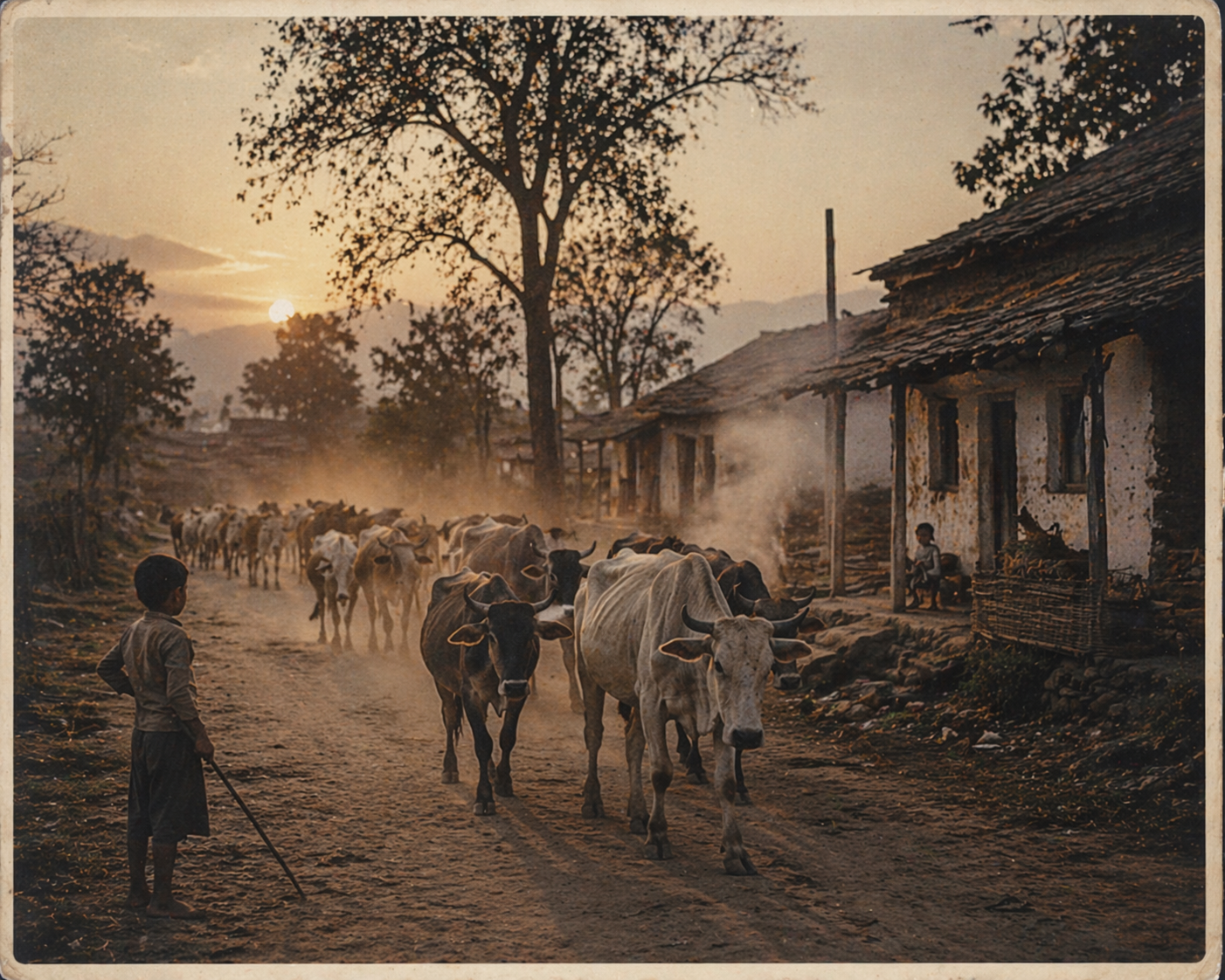
In Nepal, fermented foods are not trends. They are survival foods, seasonal foods, and community foods. For generations, local ethnic communities in rural areas have practiced fermentation not for gut health buzzwords, but for preservation, nourishment, and balance.
What fascinates me most is how the same fermented food can be celebrated by one community and avoided by another. Some foods are culturally accepted, while others are restricted based on belief systems, climate, or ancestral habits. This diversity shows how deeply fermentation is rooted in Nepal’s ethnic and regional identity.
In recent years, many of these traditional fermented foods have entered commercial kitchens and urban markets. While this brings wider recognition, it also reminds us of the importance of respecting the original knowledge behind them.
Traditional Fermented Foods and Drinks of Nepal
Based on my experience and learning, some of the most well-known traditional fermented foods and beverages of Nepal include:
- Masyaura
- Kinema
- Gundruk
- Sinki
- Khalpi
- Mesu
- Chhurpi
- Dahi (Yogurt)
- Ghiu (Clarified Butter)
- Fulaura
- Jilebi
- Selroti
- Lassi
- Chukauni
- Solder (Yogurt Soup)
- Jandh (Chhyang)
- Rakshi
Each of these foods carries its own story, flavor profile, and health benefit. They reflect Nepal’s geography, seasonal rhythms, and the wisdom of communities who learned to work with nature instead of against it.
The Fermented Drink I Never Found in Nepal: Kanji
Despite exploring many fermented traditions, there is one fermented drink I have never personally come across in Nepal: Kanji.
Perhaps I missed it. Or maybe it exists in regions I have not yet visited. If you know of Kanji being prepared or consumed anywhere in Nepal, I would genuinely love to hear from you. Please share your experience in the comments.
Kanji is a fermented drink popular in North India. It is simple, usually made with four or five ingredients, and reminds me in some ways of Kombucha. Lightly sour, refreshing, and alive with probiotics.
My first introduction to Kanji happened during my student days in India. A friend’s mother used to prepare it at home, and I was instantly intrigued by its taste and how it made the body feel calm and light. At the same time, I was busy sharing our own Nepali fermented pickles, lovingly prepared by my mother. That exchange of flavors and traditions remains one of my warmest food memories.
My Current Experiment With Kanji
These days, I am making Kanji myself in small batches. I am experimenting, observing fermentation times, tasting carefully, and listening to how my body responds. Once I feel confident and satisfied with the results, I plan to share a detailed recipe and wellness perspective here on the blog.
So yes, stay tuned.
Fermented Foods and Wellness: Why They Matter
Fermented foods are not just flavorful. They are deeply therapeutic. Long before modern nutrition science, communities understood that fermented foods support digestion, immunity, and overall vitality.
Here are some of the key health benefits these foods have provided for generations.
Health Benefits of Traditional Fermented Foods from Nepal
- Masyaura
Rich in plant protein and essential amino acids, supporting muscle and tissue health. - Kinema
Supports digestion and provides easily absorbable protein. - Gundruk
High in vitamins and minerals, especially vitamin C and iron. - Sinki
Excellent source of natural probiotics that support gut balance. - Chhurpi
High in calcium and protein, supporting bone health. - Dahi (Yogurt)
Promotes a healthy gut microbiome and improves digestion. - Ghiu (Clarified Butter)
Traditionally believed to support digestion and reduce inflammation when used mindfully. - Lassi
Cooling, probiotic-rich drink that soothes the digestive system. - Chukauni
A fermented yogurt-based potato dish that supports digestion and satiety. - Solder (Yogurt Soup)
Light, nourishing, and comforting, especially beneficial during illness or cold seasons.
- Health Benefits of Kanji from North India
- Rich in probiotics that support gut microbiome balance
- High in antioxidants that help combat oxidative stress
- Contains dietary fiber that supports digestion and fullness
- Provides vitamin K and vitamin C for immunity and circulation
- Supplies essential minerals like potassium and manganese
- A Living Tradition Worth Preserving
Fermented foods are living foods. They evolve, adapt, and respond to their environment, just like us. Whether it is Gundruk drying in the hills of Nepal or Kanji fermenting quietly in a kitchen jar, each carries generations of wisdom.
As we explore these foods, let us not only enjoy the flavors but also honor the cultures and communities that kept these traditions alive.
Who knows what other probiotic wonders are still waiting to be rediscovered?
A follow-up blog: “My First Successful Kanji Batch: Recipe and Gut Health Insights”
Read more here
https://dhruvascreations.com/2023/09/29/unlocking-the-secret-treasures-of-fermented-foods-a-journey-into-nutrition-and-wellness/



You must be logged in to post a comment.