
Introduction
As a proud member of Nepali culture, marigolds have always held a special place in my heart. These vibrant, sunny flowers are more than just blooms; they are woven into the tapestry of our culture, particularly during the Tihar festival. But my journey with marigolds took an unexpected turn when I found them displayed in supermarkets across US cities. It sparked my curiosity and led me to explore the rich cultural and medicinal significance of this beloved flower.

Tihar Festival: A Celebration of Light and Tradition
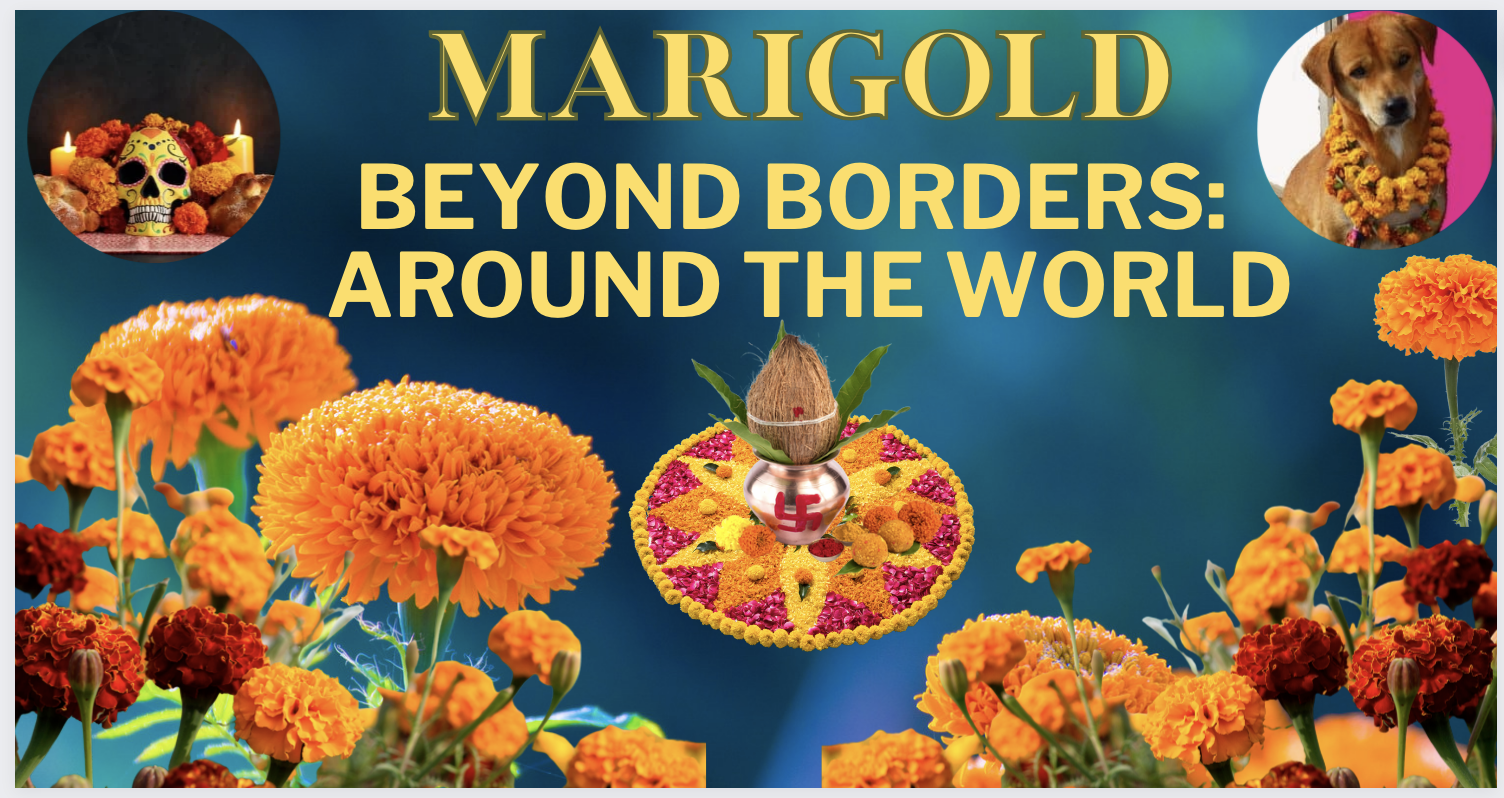
In Nepal, the Tihar festival, also known as Deepawali or Yamapanchak, is a five-day extravaganza celebrated with great enthusiasm. The festival marks the triumph of light over darkness, good over evil, and hope over despair. It’s a time when families come together to honor various aspects of life, from crows and dogs to cows and brothers. The Tihar festival reaches its peak during Bhai Tika, where sisters lovingly offer marigold garlands to their brothers, symbolizing the bond of love and protection between siblings. Marigold flowers are also used to decorate homes, courtyards, and public spaces, spreading an aura of positivity and hope.
Discovering Marigolds in the US
My curiosity about marigolds deepened when I saw them in the supermarkets of US cities. Initially, I was surprised by their ubiquity, wondering why a flower so deeply rooted in Nepali culture would be displayed halfway around the world. It prompted me to delve into their uses beyond the borders of Nepal.
Beyond Borders: Marigolds Around the World
I soon discovered that marigolds aren’t confined to Nepal. In Mexico, they play a vital role in the Dia de los Muertos festival, where they are used to honor deceased loved ones. The vibrant orange and yellow petals are arranged in intricate patterns on altars and graves, symbolizing the vibrant memories of those who have passed away.
In India, marigolds are a staple in weddings and religious ceremonies. Their bright colors and sweet fragrance make them symbols of purity and divinity, adorning temples and blessing special occasions.
Mayan Culture: Marigolds as a Spiritual Bridge
My curiocity also took me to the ancient Mayan civilization, where marigolds held a special place in their culture. These vibrant blooms were believed to bridge the gap between the living and the dead. Mayans created elaborate garlands of marigolds and placed them on altars during rituals and ceremonies. The marigold’s radiant colors were thought to guide the spirits of the departed back to the world of the living. Additionally, marigolds were used for their medicinal properties, offering relief for various ailments.
Marigolds: A Global Medicinal Marvel
Marigolds, renowned for their vibrant and cheerful blossoms, have a storied history in traditional and modern medicine across the world. Here’s a glimpse into their diverse medicinal applications:
Traditional Chinese Medicine (TCM): Marigolds are prized for their anti-inflammatory properties and are often utilized to address various health concerns.
Ayurveda: In the realm of Ayurvedic medicine, marigolds find a place for their capacity to soothe digestive discomfort and enhance wound healing.
Native American Wisdom: Indigenous tribes in North America have employed marigold infusions as a remedy for skin wounds and insect bites, benefiting from its healing properties.
European Herbal Medicine: Marigold ointments have long been a go-to remedy in European herbal medicine, offering relief from skin ailments such as eczema.
Homeopathic Applications: Homeopathic practitioners harness the potential of marigold for soothing eye irritations and treating minor burns.
Latin American and Mexican Traditions: In Latin American and Mexican folk medicine, marigolds are a trusted ally against stomachaches and inflammation, offering natural relief.
Ancient Reverence: The Mayan and Aztec cultures held marigolds in deep reverence, incorporating them into sacred rituals and ceremonies.
Modern Marvel: In contemporary times, marigold extracts have earned a spot in herbal medicine and the skincare industry, prized for their potential skin benefits.
However, it’s essential to remember that while marigolds hold promise in various medicinal applications, ongoing scientific research is necessary to fully understand their efficacy and safety. Always consult a healthcare professional before incorporating marigold-based treatments into your health and wellness routine. Your individual health considerations should guide your decisions in this regard.
Conclusion
My journey with marigolds has been an enriching one, starting from their unexpected presence in US supermarkets to exploring their cultural and medicinal significance. As a member of Nepali culture, I’ve always treasured marigolds for their role in the Tihar festival. However, discovering their importance in other cultures, from Mexico’s Dia de los Muertos to the Mayan civilization, has deepened my appreciation for these vibrant blooms. Marigolds truly transcend borders, carrying messages of love, hope, and spiritual connection across the world. Whether you encounter them in your local market or during a cultural celebration, take a moment to appreciate the global significance of these radiant flowers.




You must be logged in to post a comment.