
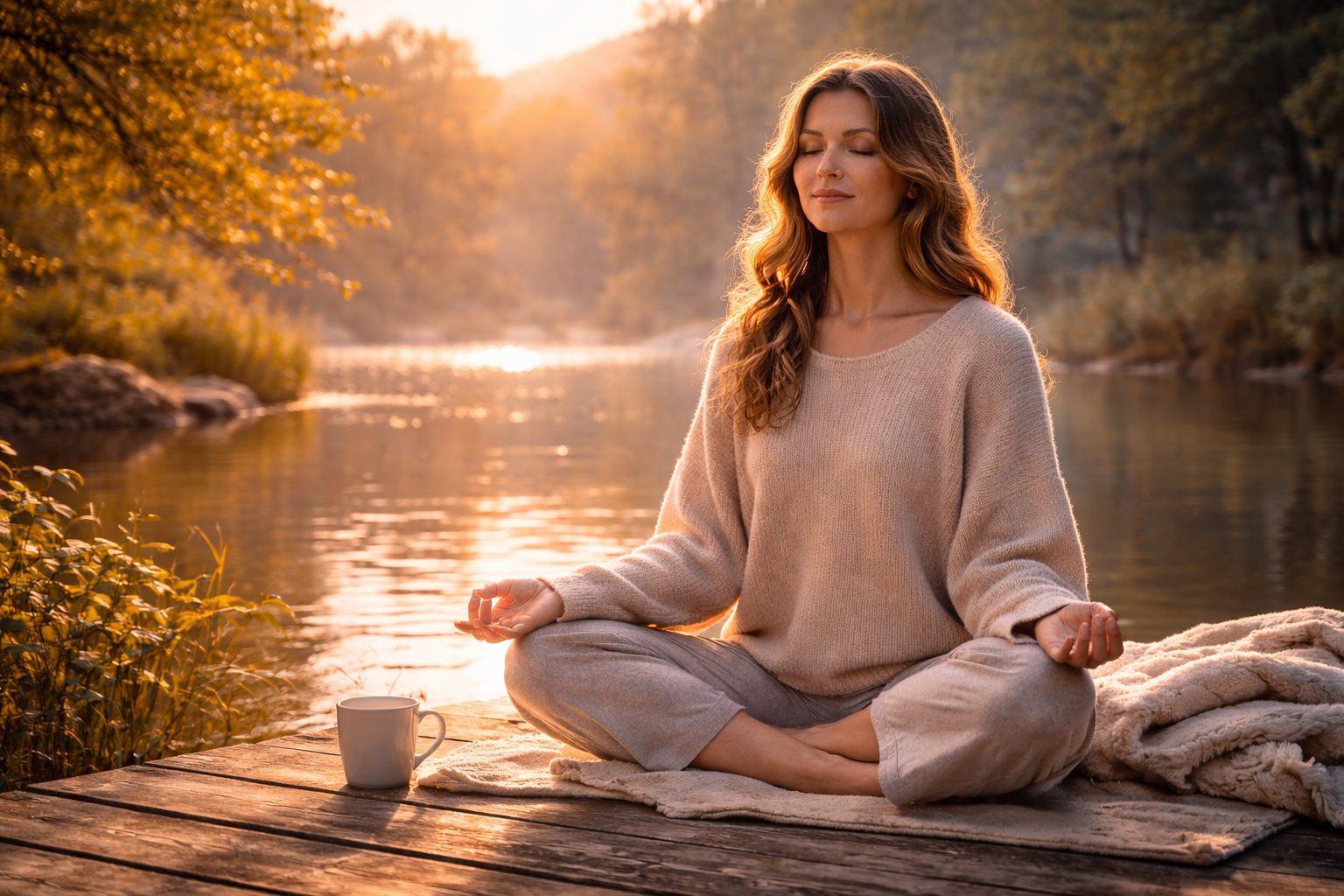
 In a fast-paced world, slowing down is an essential act of healing. Explore how gentle living, mindfulness, and conscious pauses restore balance, clarity, and well-being.
We live in a time where speed is rewarded more than presence. Faster replies, faster results, faster growth. Somewhere along the way, we accepted the idea that being busy means being valuable. Yet many of us feel tired even after resting, distracted even during silence, and disconnected even while surrounded by people.
This is not a lack of motivation. It is a lack of gentle living.
Slowing down is often misunderstood as laziness. In reality, it is one of the most intelligent responses to a noisy world.
The Cost of Constant Stimulation
Modern life rarely allows the nervous system to settle. Screens, notifications, expectations, and self-imposed pressure keep the mind in a continuous state of alertness. Over time, this creates subtle exhaustion.
Common signs include:
-
Difficulty focusing on simple tasks
-
Feeling mentally tired without physical work
-
Restlessness during quiet moments
-
Loss of joy in things once enjoyed
These are not failures of discipline. They are signals from the body asking for regulation, not productivity.
Slowness Is Not About Doing Less, It’s About Doing Consciously
Slowing down does not mean withdrawing from responsibilities. It means changing how we meet them.
A slow moment can be as simple as:
-
Eating without scrolling
-
Walking without rushing
-
Listening without planning a response
-
Breathing without trying to control it
These small acts re-teach the body that it is safe to relax.
In my own experience, whether through yoga, Reiki, or simple self-observation, I noticed that healing often began not when I tried to fix something, but when I stopped forcing improvement.
Why Gentle Living Supports Healing
Healing is not an aggressive process. The body heals best in states of safety and calm. When the mind slows down, the body follows.
Gentle living supports:
-
Nervous system balance
-
Emotional processing
-
Better sleep quality
-
Clearer thinking
-
Reduced reactivity
This is why ancient practices emphasized rhythm, rest, and awareness long before modern wellness trends existed.
Cultural Wisdom We Are Forgetting
Traditional cultures understood this intuitively. Daily life included pauses—morning rituals, evening lamps, communal meals, seasonal rhythms. These were not spiritual luxuries; they were mental hygiene.
In contrast, modern life removed pauses and replaced them with constant access. What we gained in convenience, we lost in depth.
Reintroducing slowness is not going backward. It is restoring balance.
Practical Ways to Practice Slowness Without Changing Your Life
You don’t need a retreat or a new routine. Start where you are.
Try one or two of these:
-
Sit quietly for two minutes before checking your phone in the morning
-
Take three slow breaths before responding emotionally
-
Create one screen-free window each day
-
End the day with silence instead of information
These practices are small, but they compound.
A Personal Reflection
Over time, I realized that many questions I was trying to answer did not need answers. They needed space.
Slowing down helped me hear what constant movement was drowning out. It softened reactions, clarified decisions, and made daily life feel less mechanical and more human.
Healing did not come from adding more practices. It came from removing urgency.
Final Thought
Slowness is not a retreat from life.
It is a return to it.
When we allow ourselves to live gently, healing stops being something we chase and becomes something that naturally unfolds.
Sometimes, the most creative act is simply to pause.



You must be logged in to post a comment.