
Back in the early ’90s, when the misty hills of Darjeeling were our playground, there was a place that will forever hold a special corner of my heart—R.N.S. Hostel. It wasn’t just a building where we lived; it was a vibrant world where friendships were forged, dreams were nurtured, and every day was filled with unforgettable moments. Even now, as I sit thousands of miles away in California, USA , those memories remain as vivid as ever.
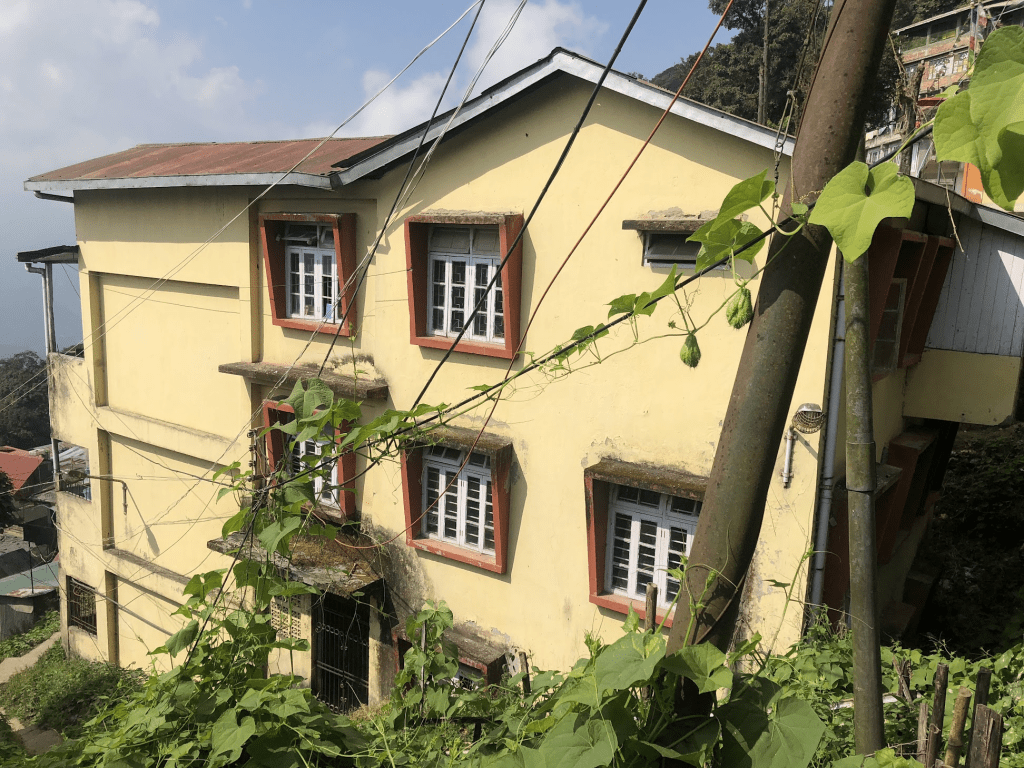
The nights at R.N.S. were nothing short of legendary. When the world outside went to sleep, that’s when we truly came alive. Our tiny table tennis room, barely big enough to swing a paddle, became the heart of our little universe. We’d play till our arms were sore and our eyes heavy, the sound of the ball echoing through the quiet halls. It wasn’t just about the game—it was the laughter, the friendly competition, and the bond we shared that made every match unforgettable.
When we weren’t battling it out on the table tennis board, we were glued to a small TV, eyes wide open, watching World Cup soccer. The whole hostel would come alive with cheers, groans, and animated debates. Sleep? That was for the weak. We stayed up all night, passionately discussing players, strategies, and unforgettable goals. It was more than just a game for us—it was a shared experience that brought us closer together.
Our adventures extended beyond the hostel walls. There were nights when we’d sneak out and hike to Sunrise Point ( Tiger Hill) under the cover of darkness. The cold night air, the crunch of gravel under our feet, and the occasional rustle of leaves were the only sounds as we made our way to the top. When the first light of dawn finally broke over the horizon, we felt invincible. The walk back to the hostel, though, was a different story—exhausted but exhilarated, we’d collapse into bed just as the day was beginning for everyone else.
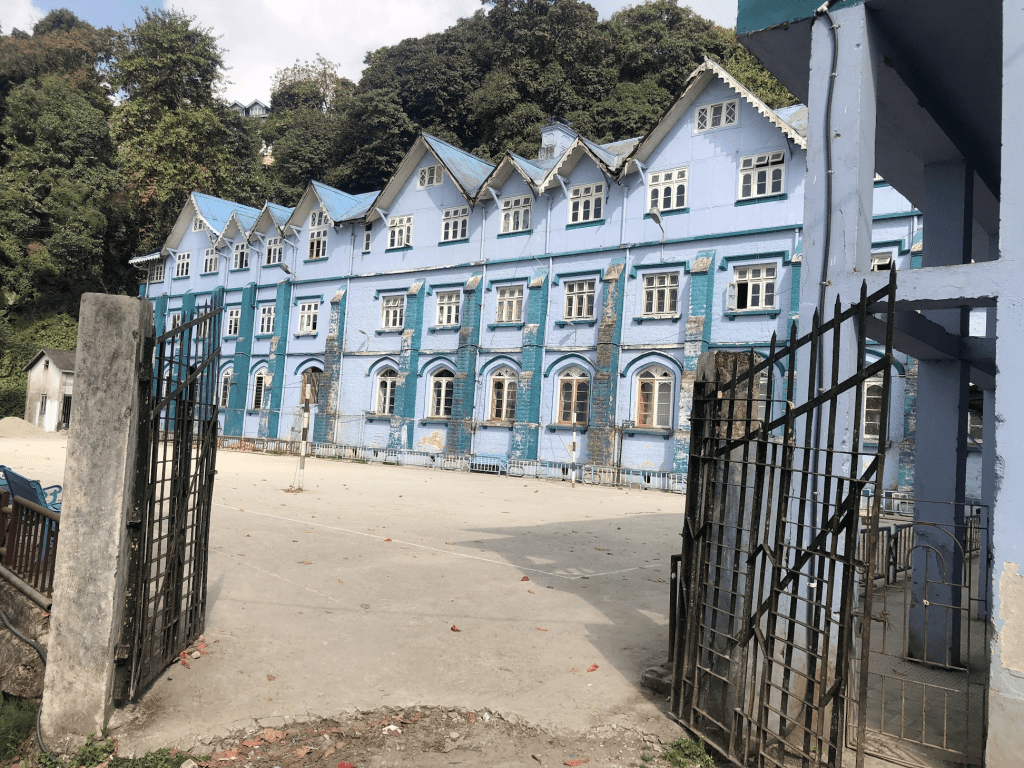
Soccer was another passion that united us. On weekends, we’d race from the hostel to St. Joseph’s field, hearts pounding with anticipation. Sometimes, we’d push ourselves even further, heading up to the expansive Lebong Ground, where the matches took on a whole new level of intensity. The sweat, the shouts, and the sheer joy of playing under the open sky made every moment worth it.
Of course, we had our share of mischievous adventures too. Like the time we silently “borrowed” a brand-new table tennis board from the college and brought it back to the hostel—an operation executed with all the precision of a covert mission. Or those nights when we’d wander around the girls’ hostel, heading toward Shrubbery Park for best view to Kanchenjunga, our laughter breaking the stillness of the night. We were young, carefree, and unstoppable.
Life at R.N.S. had its challenges as well. The electricity and water supply were unreliable, leaving us to improvise in ways that might seem strange today. Just below the hostel, there was an old graveyard, a remnant of the British colonial era when Darjeeling was a favored educational hub and hill station. The cemetery had a certain eerie charm, and it became a regular stop for us whenever we needed candles. We’d collect the candles left by the families of the deceased, lighting them in their memory. There was something both somber and thrilling about those midnight trips to the graveyard, our footsteps echoing in the stillness as we gathered candles by the light of the moon.
That graveyard held more than just candles; it held stories. I remember feeling a strange curiosity as I read the names on the weathered tombstones—mostly British names, etched into the stone long before India gained independence. Darjeeling, with its cool climate and stunning vistas, had been a favorite retreat for the British during colonial times. The hill station, nestled in the Himalayas, was more than just a getaway; it was a center of education and culture, with institutions that attracted students from all over. The graveyard was a reminder of that bygone era, a time when Darjeeling was a different world entirely.
Beyond the hostel, Darjeeling had its own charm. The nearby zoo was a favorite spot for us, offering a chance to see the local wildlife and escape the confines of hostel life for a while. We’d wander through the Himalayan Mountaineering Institute (HMI) too, marveling at the achievements and stories of those who dared to scale the world’s highest peaks. Chaurasta, with its bustling market and lively atmosphere, was a place we frequented to soak in the local culture and indulge in some street food.
Speaking of food, how could I forget the momos? Those delicious, steaming dumplings were a highlight of our culinary adventures. Whether we grabbed them from a small street stall or a more established eatery, they were a comforting reminder of the vibrant food scene that made Darjeeling so special. And then there was the stories of local movie theatre, where we’d catch the latest films and enjoy a different kind of entertainment, a stark contrast to our usual nighttime escapades.
But not all memories were carefree. Water scarcity was a constant challenge in those days. The hostel’s water supply was unreliable at best, so we’d often trek down to Happy Valley to wash our clothes and take a bath. What started as a mundane chore often turned into an adventure. We’d scramble down the slopes with our buckets and clothes, only to be chased back up by the local street dogs on our return. I can still remember us sprinting away, laundry flapping in the wind—it was like a scene straight out of a comedy.
Then there was that unforgettable picnic at Tista Barrage. What started as a day of fun quickly turned into a night of unexpected drama when we found ourselves stuck in the middle of nowhere, miles from the hostel. The darkness was closing in, and we had no idea how we’d get back. Just when we thought we were in serious trouble, the local people appeared like guardian angels, rescuing us from what could have been a very long night. It was a reminder that even in the most challenging moments, we were never truly alone.
Of course, no tale of R.N.S. Hostel would be complete without mentioning Professor Ram Lal Adhikari, our Hostel Superintendent. He was more than just a figure of authority—he was a mentor, a poet, and the person who inspired my love for writing. Sometimes, even at midnight, he’d call us into his room to listen to his poetry. We’d sit there, half-asleep but utterly captivated, as he read his verses with such passion. Those late-night poetry sessions weren’t just about words; they were about connecting with something deeper, something that has stayed with me all these years.
Life at R.N.S. was full of small, yet unforgettable moments—participating in volleyball matches, attending debate competitions, and entering poetry contests at the college. Ragging in the hostel was practically a rite of passage, as was the long wait for the bathroom every morning. And who could forget the mad rush to the dining table when meat was served twice a week? We didn’t have the luxuries we enjoy now, but those days were the best, full of simple joys and the bonds that formed between us.
I’ve deliberately not mentioned any names in this memoir because all those who were with us during those days are equally dear to me and close to my heart. Whether we were voting for the Hostel Mess Manager or taking part in a strike or hunger strike at the college, every one of you played a part in those cherished memories. I hope that as you read this, you can see yourself in these stories and remember the moments we shared.
I can still recall how, due to water shortages, we were sometimes given a fixed amount of money and sent to Marwadi Dhaba. We’d march in there like an army, ready to feast. Sometimes, we ate all the food they had, much to their dismay. Eventually, they had to limit our large groups to prevent us from devouring everything in sight!
Years have passed, and life has taken us in different directions. We’ve lost a few hostel mates, some have faded from memory, and others are still in touch through social media. But no matter where life has taken us, those days at R.N.S. remain the most memorable of my life.
I’ve heard from some friends that the boys’ hostel may be closed now, with only the girls’ hostel still standing. Whether that’s true or not, I’m not sure. But one thing I do know is that R.N.S. Hostel will forever live in our hearts. The building may no longer be the same, but the memories we created there—those will stay with us forever. The friendships we forged, the mischief we got into, and the lessons we learned—those are the things that stay with you, no matter how far you go.
For me, and for all of us who shared those moments, R.N.S. Hostel wasn’t just a place to stay. It was where we formed friendships that have stood the test of time. And no matter where we are today, those memories still bring a smile to my face, reminding me of a time when we were young, wild, and free.





 Dhruva's Creations
You must be logged in to post a comment.