
I love fermented food! I am sure you do too. There’s something magical about the transformation of ordinary ingredients into delicious, tangy, and probiotic-rich foods. Last year, during the pandemic, I had the opportunity to dive deep into the world of fermented foods, especially those from Nepal. These foods, traditionally prepared in rural parts of the country by local ethnic communities, have a rich history and a unique connection to both the region and the people who make them. What’s fascinating is that while some fermented foods are embraced by one community, they are forbidden in another. These healthy and probiotic foods and drinks are not only region-specific but also deeply rooted in the diverse ethnic communities of Nepal. However, in recent years, these practices have started to become more common among a wider audience for commercial purposes.

The primary fermented traditional foods and beverages of Nepal, as far as I know, include Masyaura, Kinema, Gundruk, Sinki, Khalpi, Mesu, Chhurpi, Dahi, Ghiu, Fulaura, Jilebi, Selroti, Lassi, Chukauni, Solder (Yogurt Soup), and two popular drinks: Jandh (Chhyang) and Rakshi. These offerings are a testament to the rich culinary heritage of Nepal, with each dish carrying its own unique flavor profile and health benefits.
But amidst all my exploration, one fermented drink that I’ve never come across in Nepal is Kanji. Perhaps I’ve missed it, or it might be available in some parts of Nepal that I haven’t had the chance to visit. If you’re aware of Kanji being made and enjoyed in Nepal, please feel free to share your knowledge in the comments. I’d love to hear your insights and experiences.
Kanji, a fermented drink popular in North India, has piqued my interest lately. It’s a simple concoction that requires just four to five ingredients. If you’ve never tried it, imagine something akin to Kombucha. My first encounter with Kanji was during my days of studying in India. One of my friends’ moms used to prepare it, and I was always intrigued by its unique flavor and health benefits. At the time, I was more focused on sharing our traditional fermented pickles, lovingly prepared by my mom, with her. It was a delightful exchange of culinary traditions, and her appreciation for our pickles was heartwarming.
Now, I’m in the process of making Kanji in different batches myself. I’m eager to learn and share the recipe once I’ve perfected it through a few tries and have had a chance to savor the results. So, stay tuned for that!
In the world of fermented foods, there’s always something new to discover and experiment with. Whether it’s the diverse offerings of Nepal or the intriguing flavors of Kanji from North India, each fermented food and drink has its unique story to tell. These foods not only tantalize our taste buds but also offer a treasure trove of health benefits, from probiotics to antioxidants and essential vitamins.
Here are some of the nutrition and health benefits that these fermented foods have provided to local communities for generations:
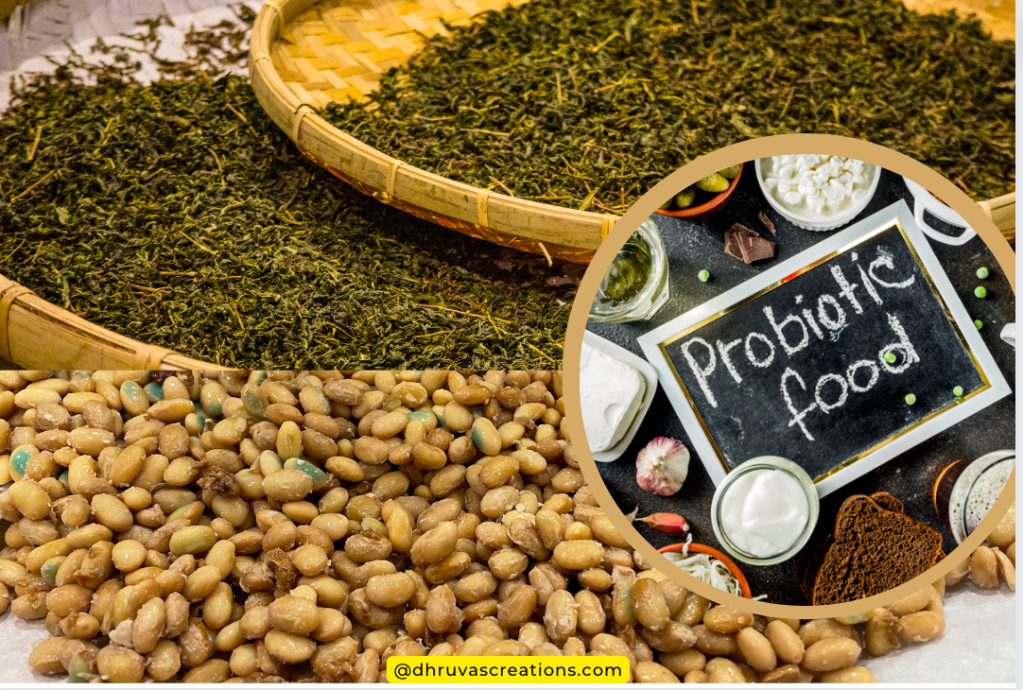
Fermented Foods from Nepal:
- Masyaura: A protein-rich delicacy, providing essential amino acids.
- Kinema: Aids in digestion and is a valuable source of protein.
- Gundruk: Abundant in vitamins and minerals, including vitamin C and iron.
- Sinki: High in probiotics for gut health.
- Chhurpi: A good source of calcium and protein.
- Dahi: Probiotic-rich, promoting gut health.
- Ghiu: Clarified butter with potential anti-inflammatory properties.
- Lassi: A cooling yogurt-based drink, rich in probiotics.
- Chukauni: A flavorful potato salad with fermented elements.
- Solder (Yogurt Soup): A nutritious and comforting yogurt-based soup.
Kanji from North India:
- Rich in Probiotics: Supports a healthy gut microbiome.
- Antioxidant-Rich: Helps combat oxidative stress.
- Dietary Fiber: Aids in digestion and promotes a feeling of fullness.
- Vitamin K and Vitamin C: Important for overall health and immunity.
- Potassium and Manganese: Essential minerals for bodily functions.
So, as we embark on this culinary journey together, let’s not only savor the flavors but also celebrate the numerous health benefits these fermented foods bring to our lives. Who knows what delightful surprises await us in the realm of probiotic wonders?





 Dhruva's Creations
You must be logged in to post a comment.